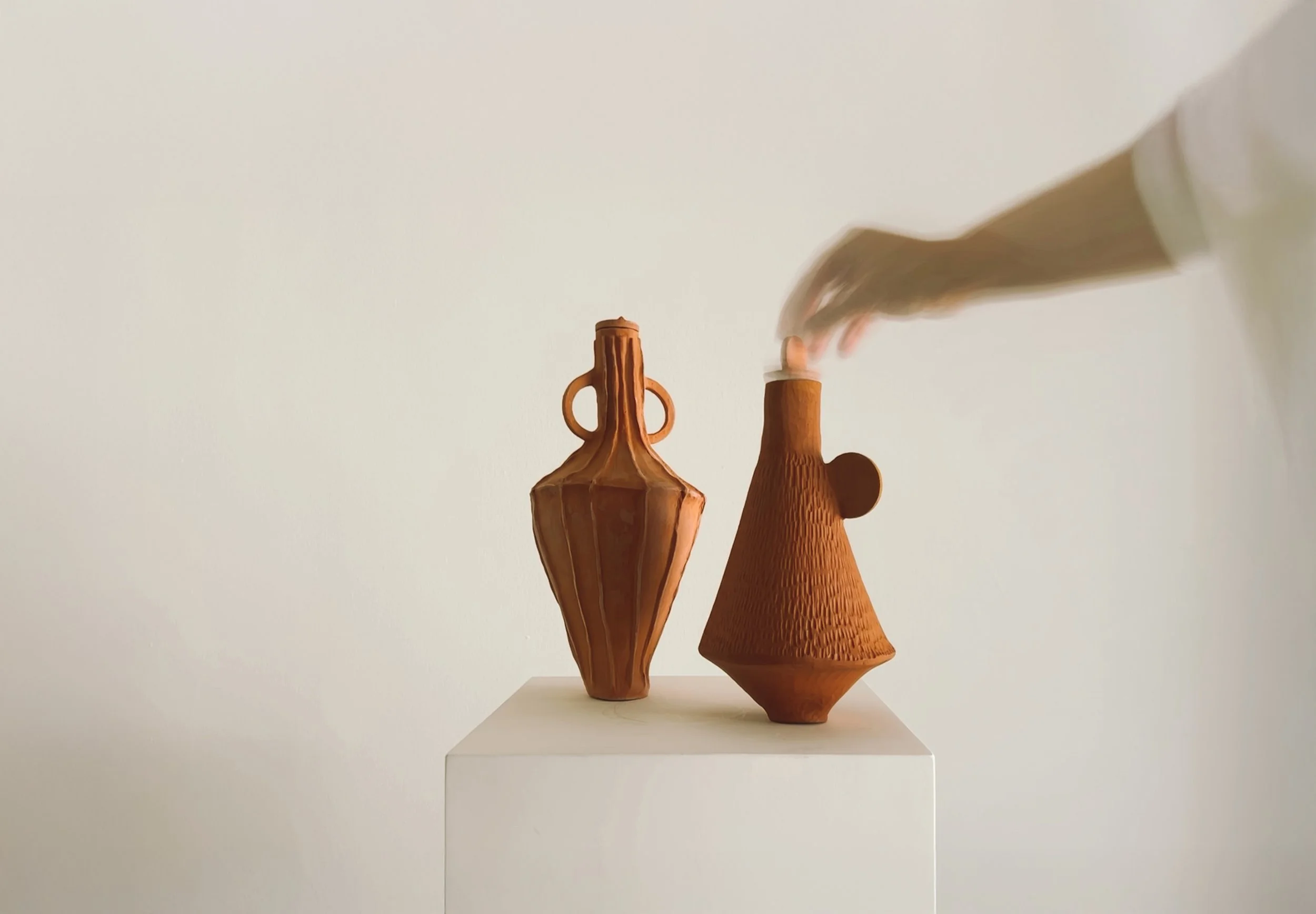
Olla Forms
Climate Intelligence in Clay
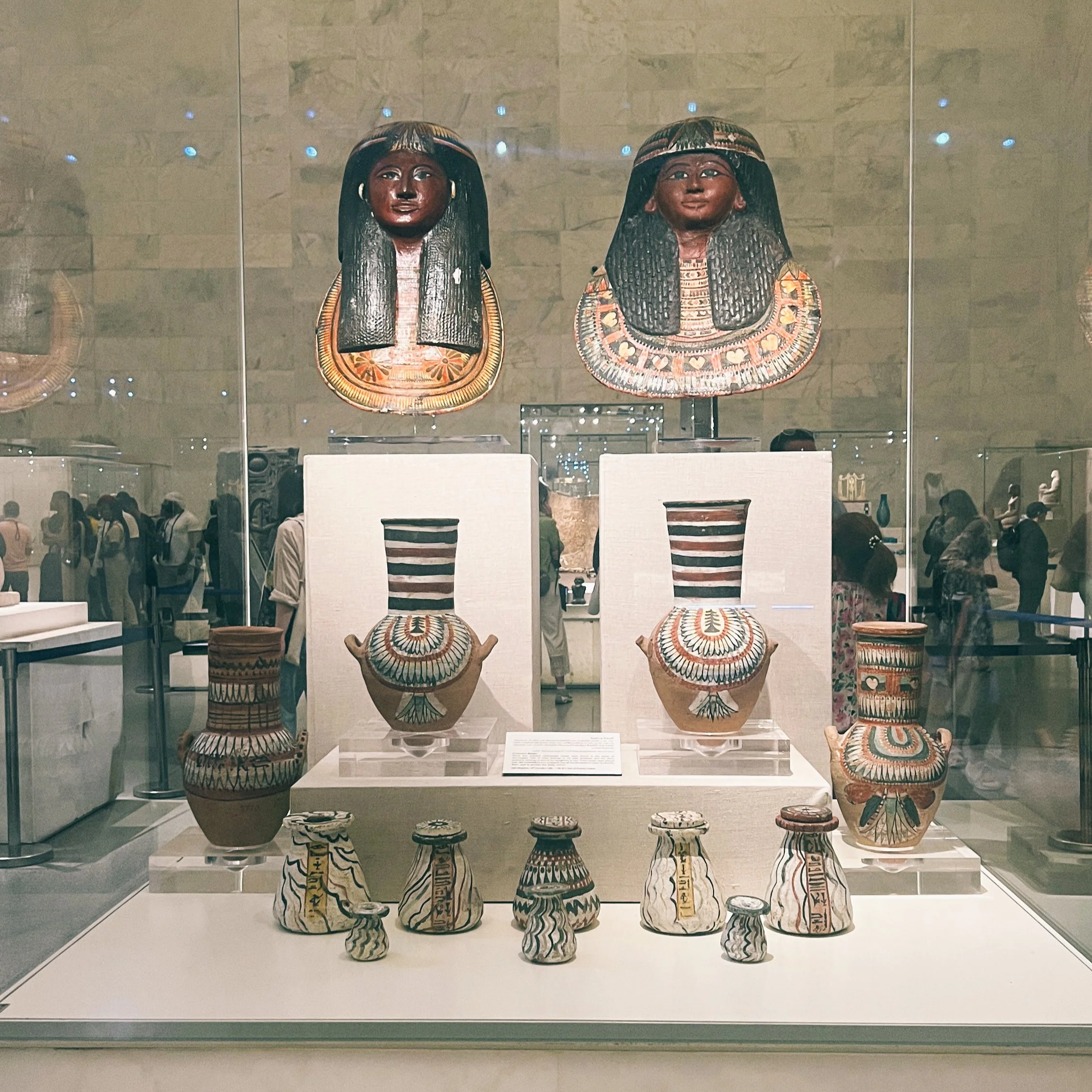
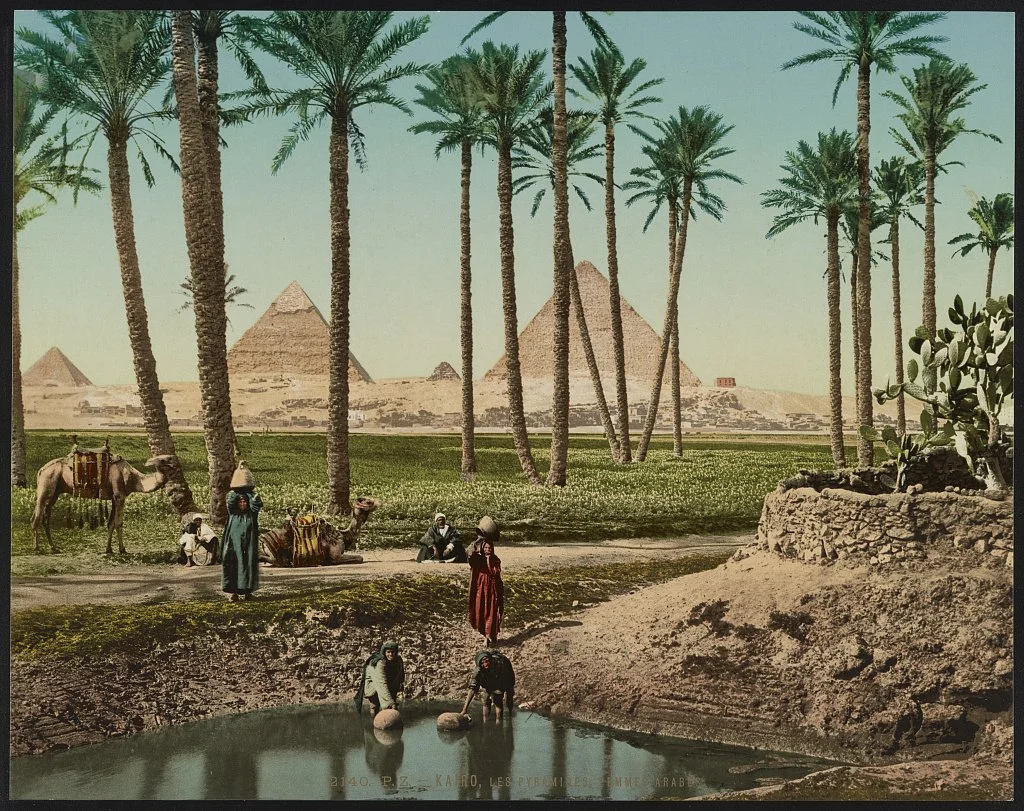
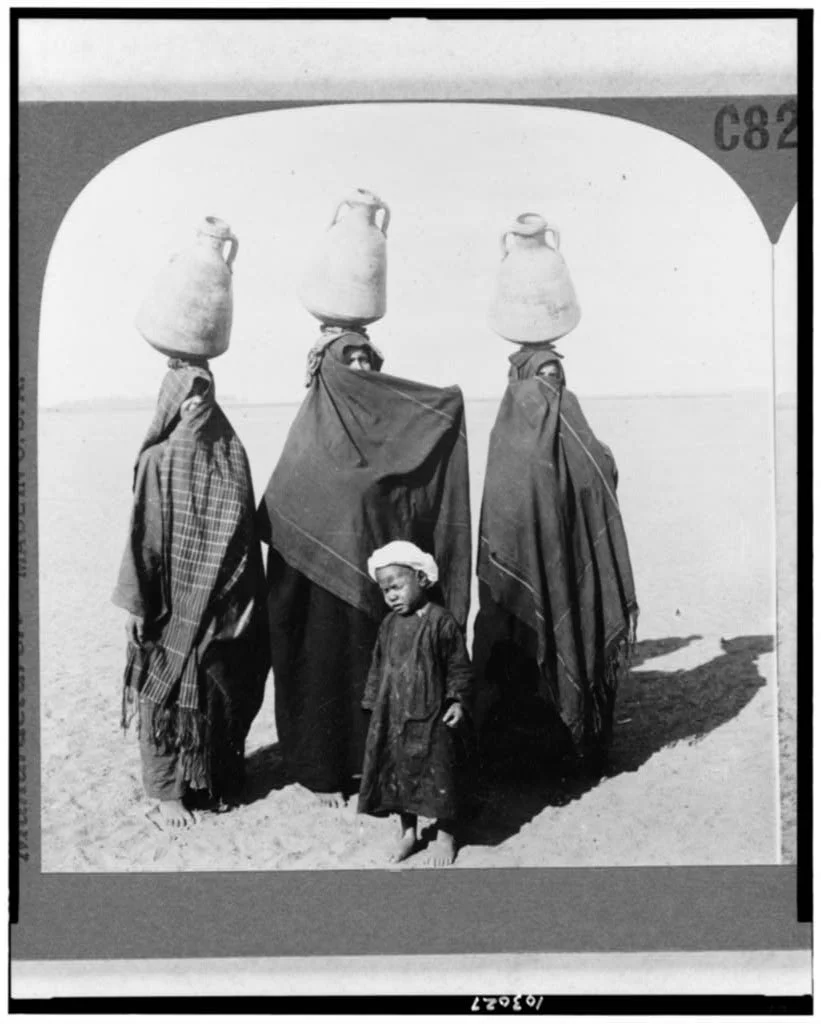
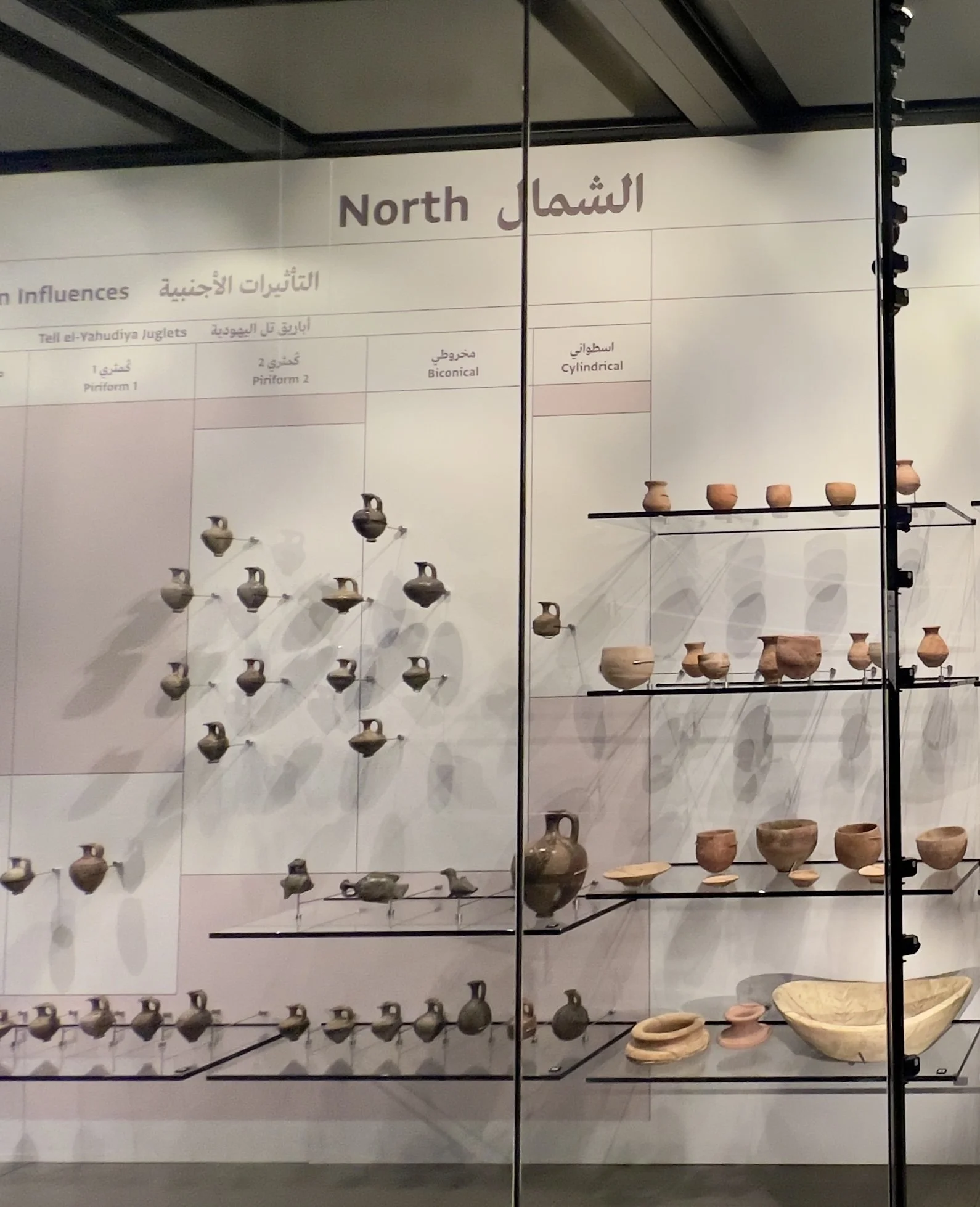
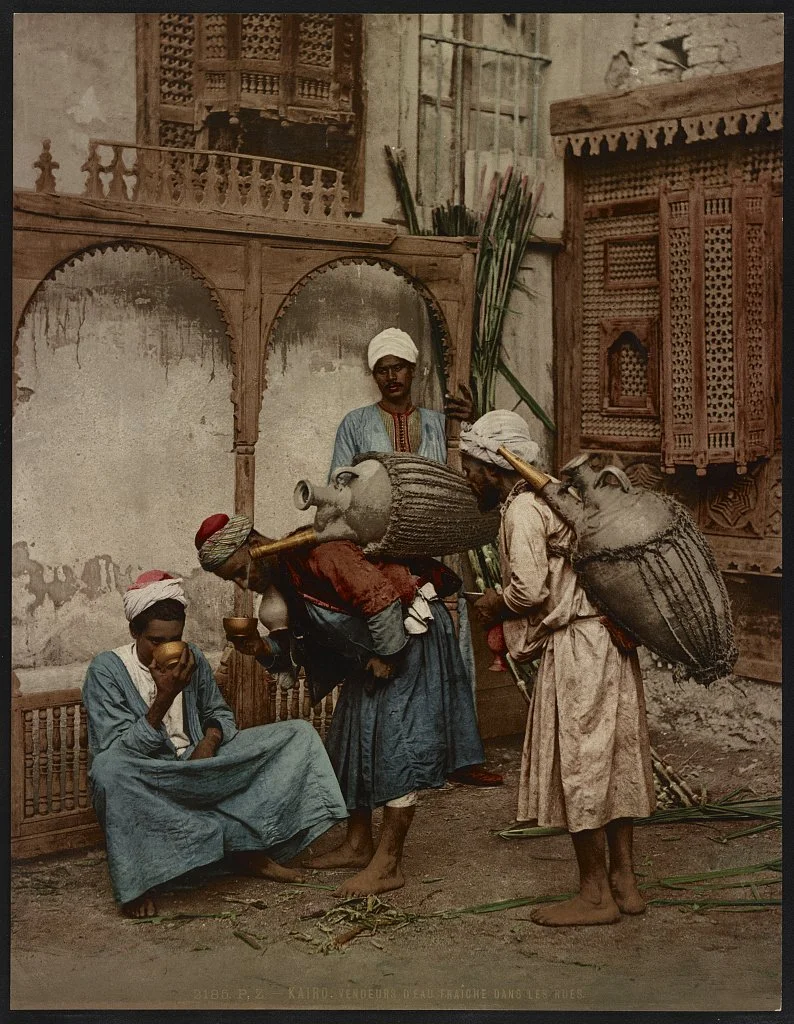
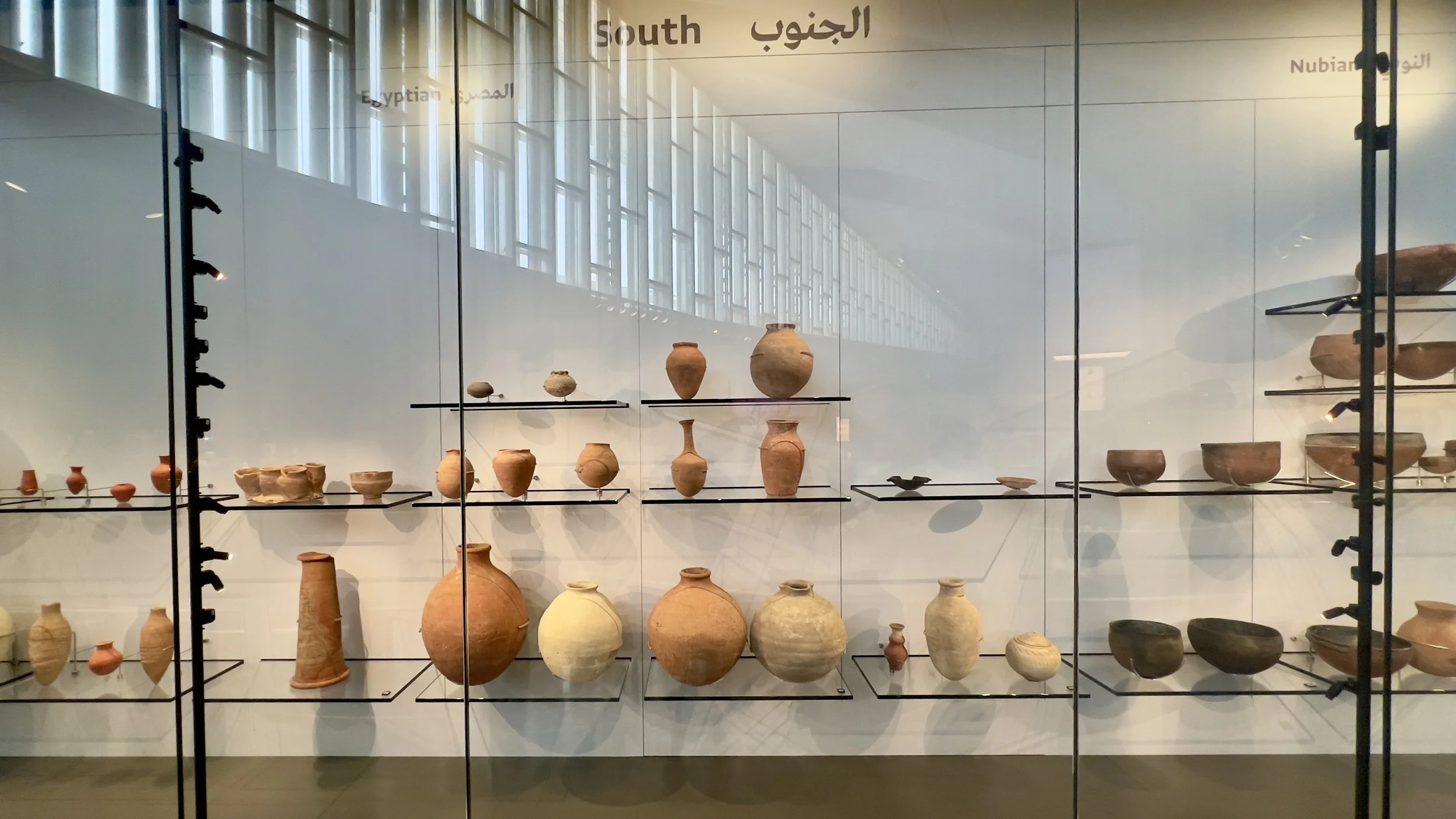
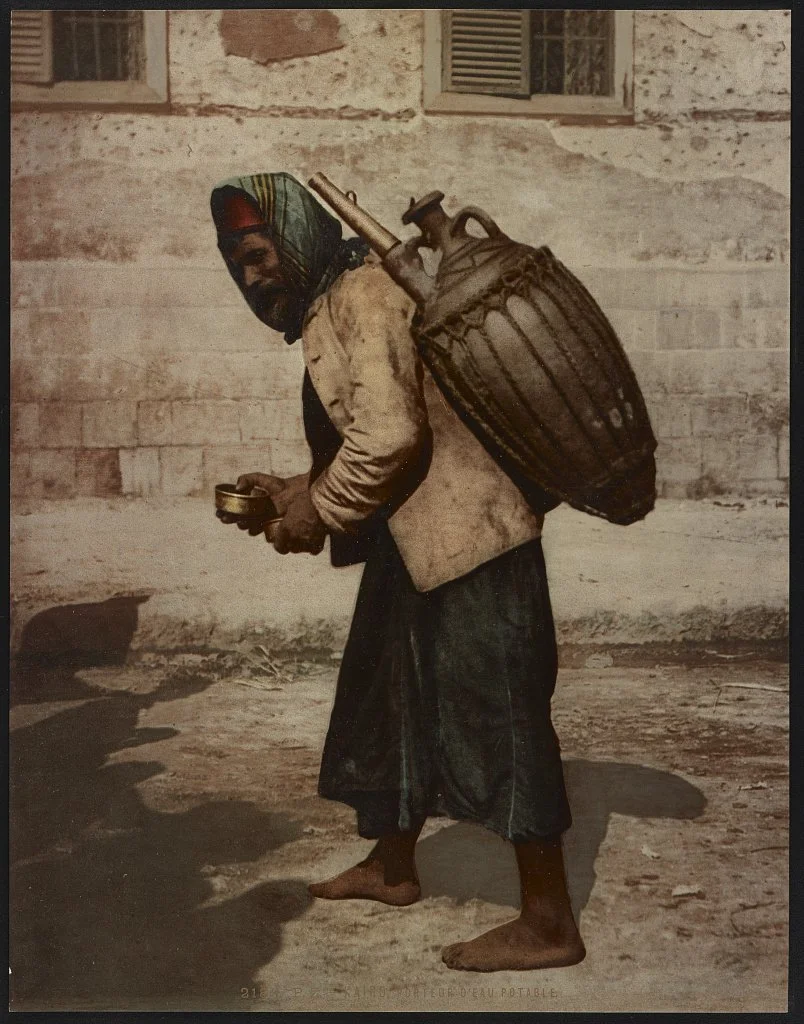
Olla Forms is a contemporary reinterpretation of the Egyptian olla, a porous clay water vessel designed to cool water through evaporation. In Ancient Egypt, ceramic vessels were central to domestic life, and porous earthenware evolved as a practical response to heat and storage. This material intelligence continues today. Variations of the Olla and the larger Zir remain in use in modern-day Egypt, where clay still regulates temperature without electricity.
The olla functions through material performance rather than mechanism: water migrates through the clay wall, evaporates at the surface, and releases heat. The vessel lowers temperature through air and porosity alone.
A Shared Climate Logic
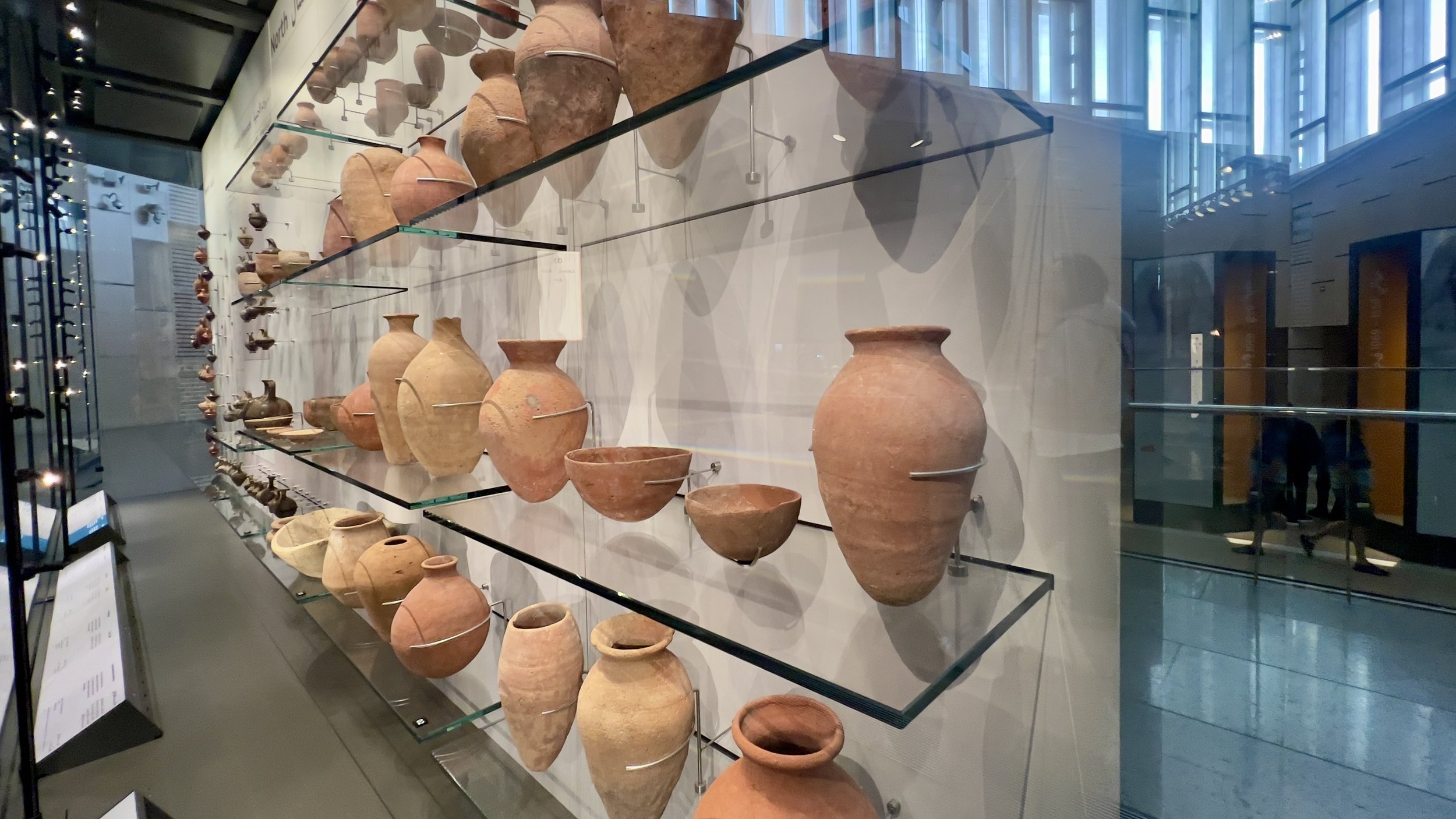
In Egypt, larger stationary versions of this vessel are known as the zir, while smaller forms serve daily household use. Across cultures, similar vessels emerged independently in response to climate: the matka or ghara in India, the botijo in Spain, unglazed earthenware jars in Greece and the Mediterranean, and porous clay storage vessels across parts of Asia and the Americas. Though their silhouettes differ, their logic remains constant. Clay becomes technology.
Rebuilding the Form
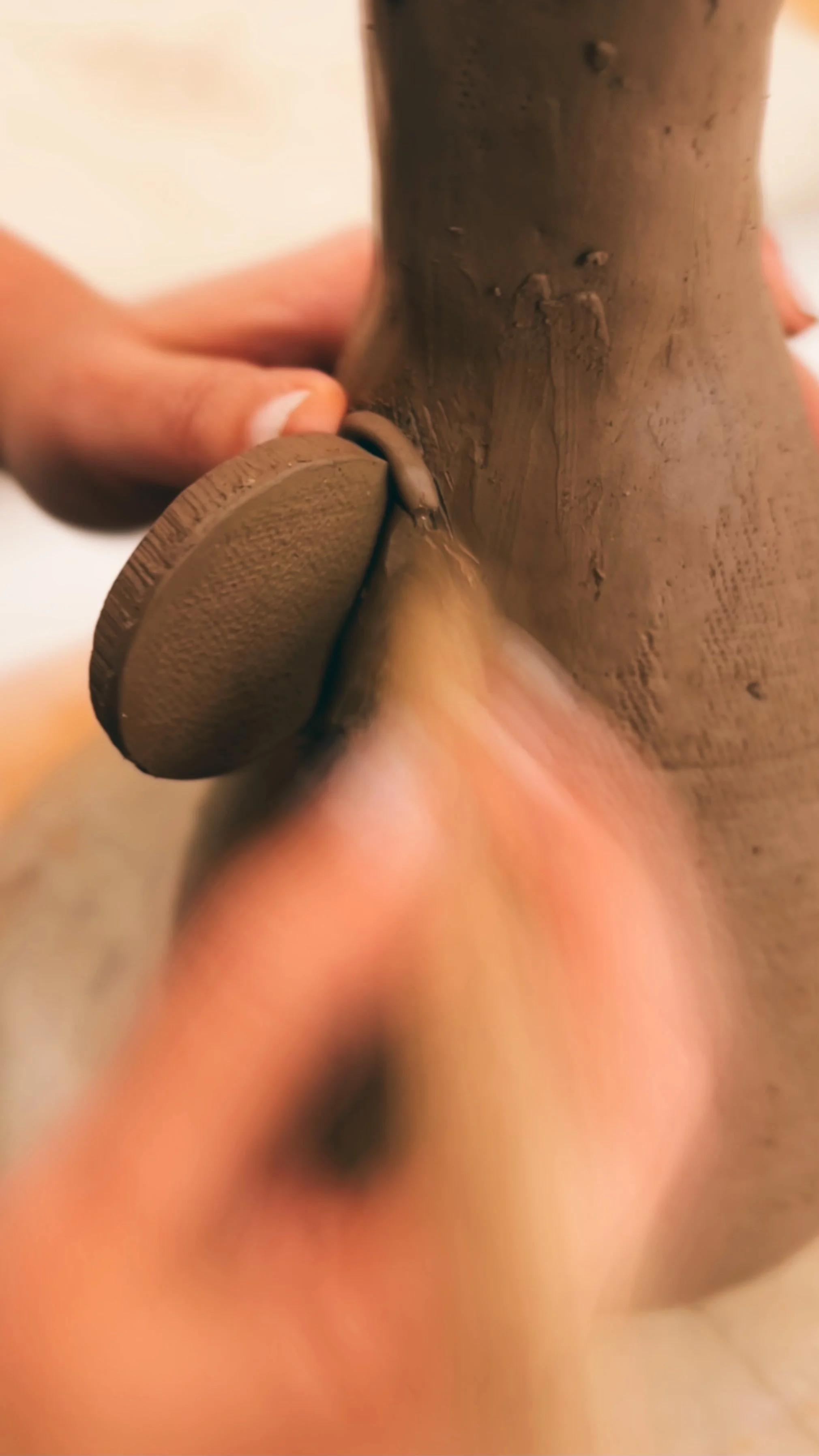
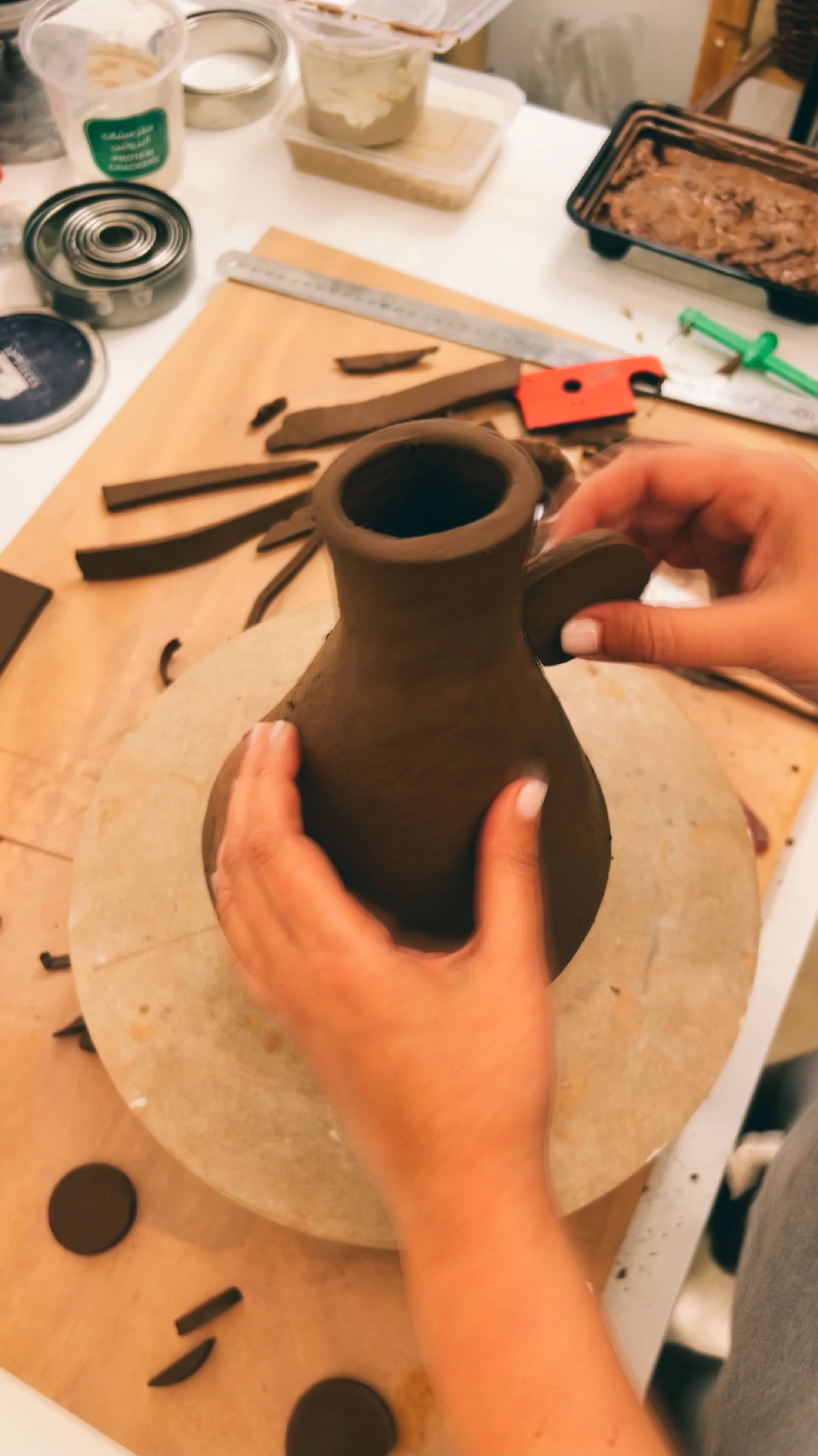
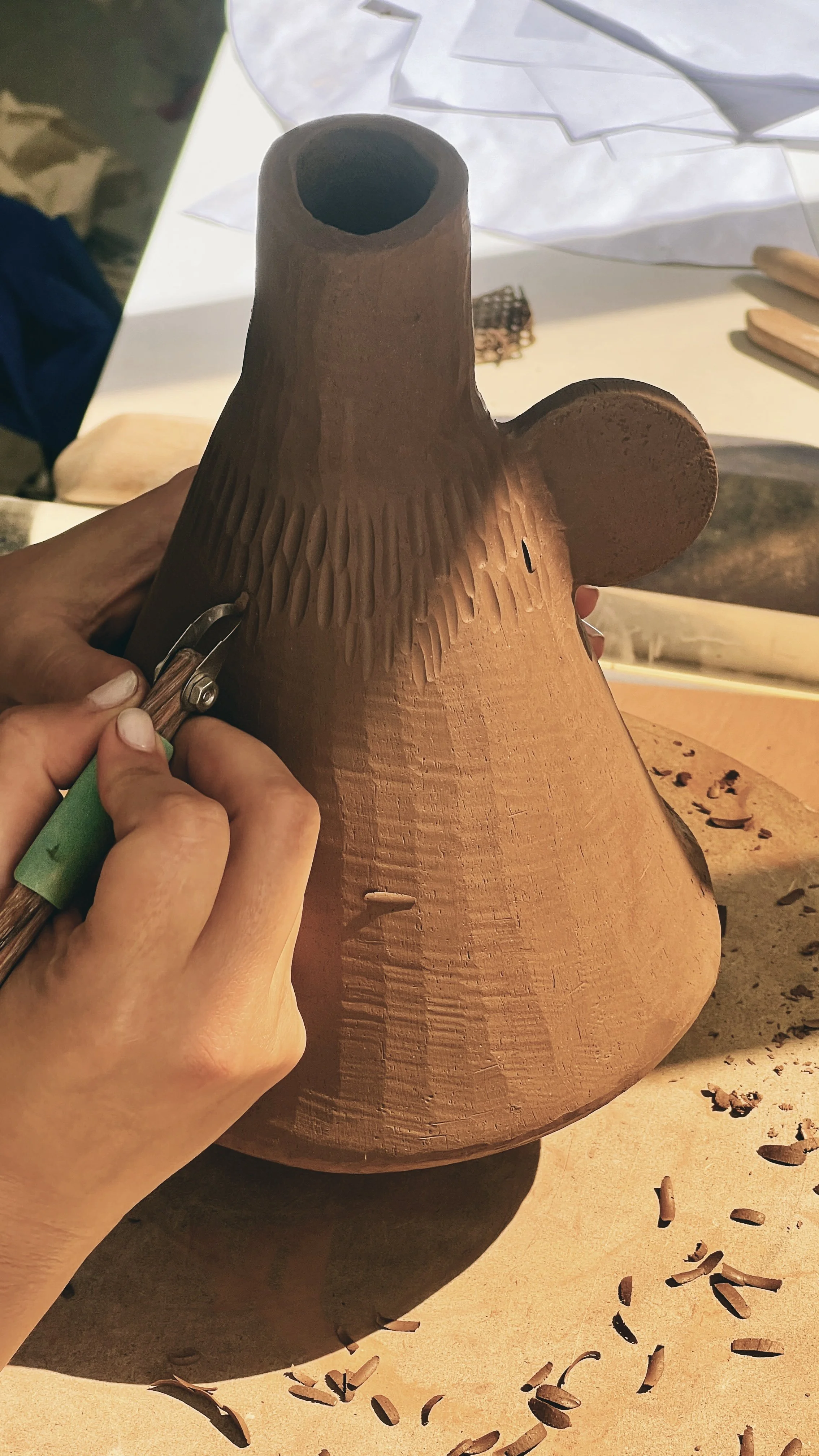
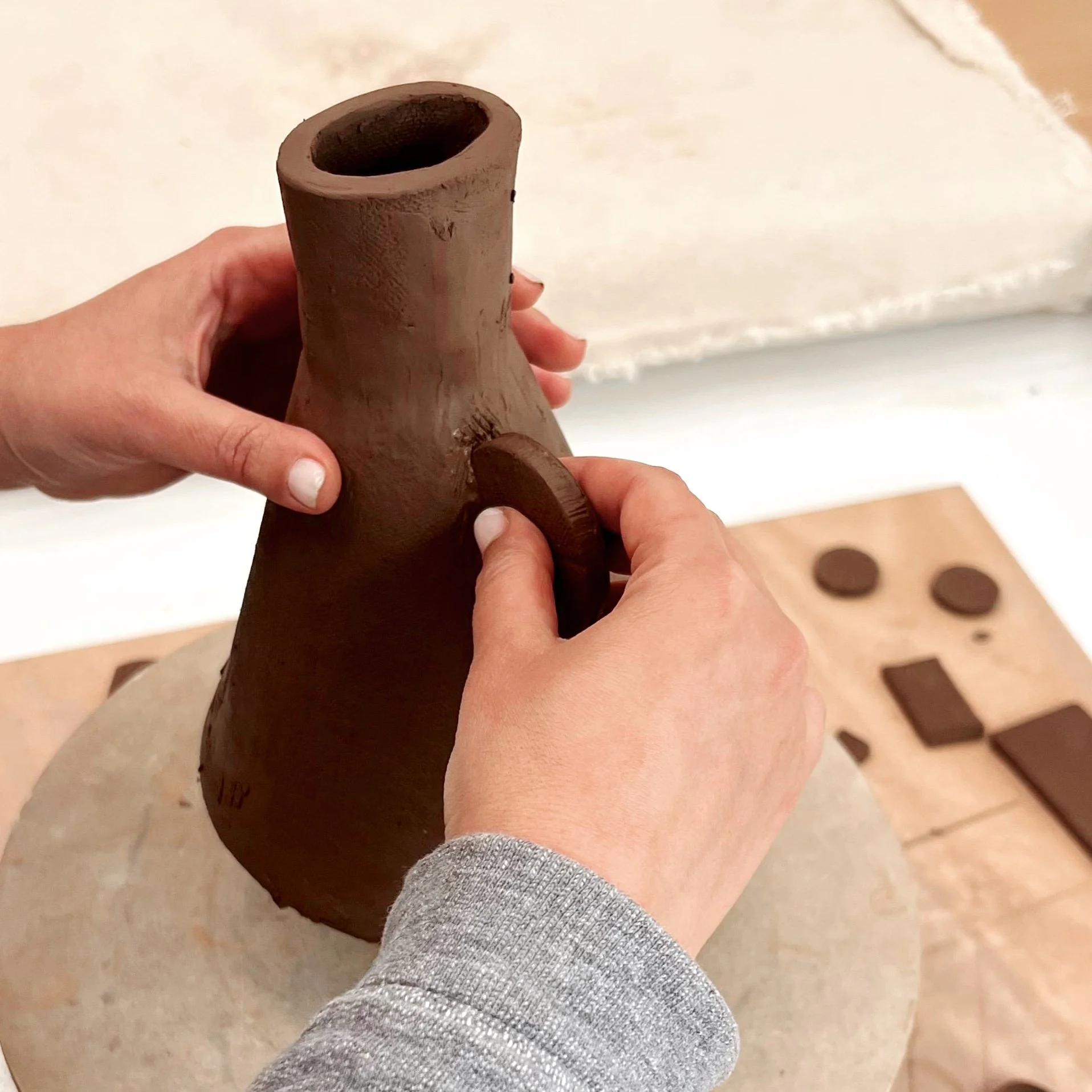
Each vessel in the series is slab-built in terracotta. Planes are joined and reinforced through ribs or textured surfaces that increase surface area. Geometry is explored through shifting ratios between neck and belly, base and shoulder, height and diameter.
The lines are intentional yet imperfect. Subtle asymmetry remains as evidence of hand, compression, and gravity.
The exterior remains raw to preserve porosity and evaporative cooling. Select areas are refined for usability. These vessels are functional. They hold water. They cool it.
Living Design Intelligence
Olla Forms positions the olla not as artifact, but as enduring design intelligence. A porous body that regulates temperature silently, where clay, air, and water collaborate through structure.